
Lectio Divina: Slowing Down to Listen to God
In a world filled with noise, hurry and distraction, it can be difficult to slow down long enough to listen. We may read the Bible regularly, yet sometimes find ourselves moving quickly through familiar words without allowing them to settle deeply within us.
Lectio Divina offers us a different rhythm.
Meaning “divine reading”, Lectio Divina is an ancient Christian practice of reading Scripture slowly, prayerfully and attentively. Rather than approaching the Bible simply to gather information, we come with an open heart, trusting that God wants to meet us through His living Word.
“Speak, Lord, for your servant is listening.”
— 1 Samuel 3:10
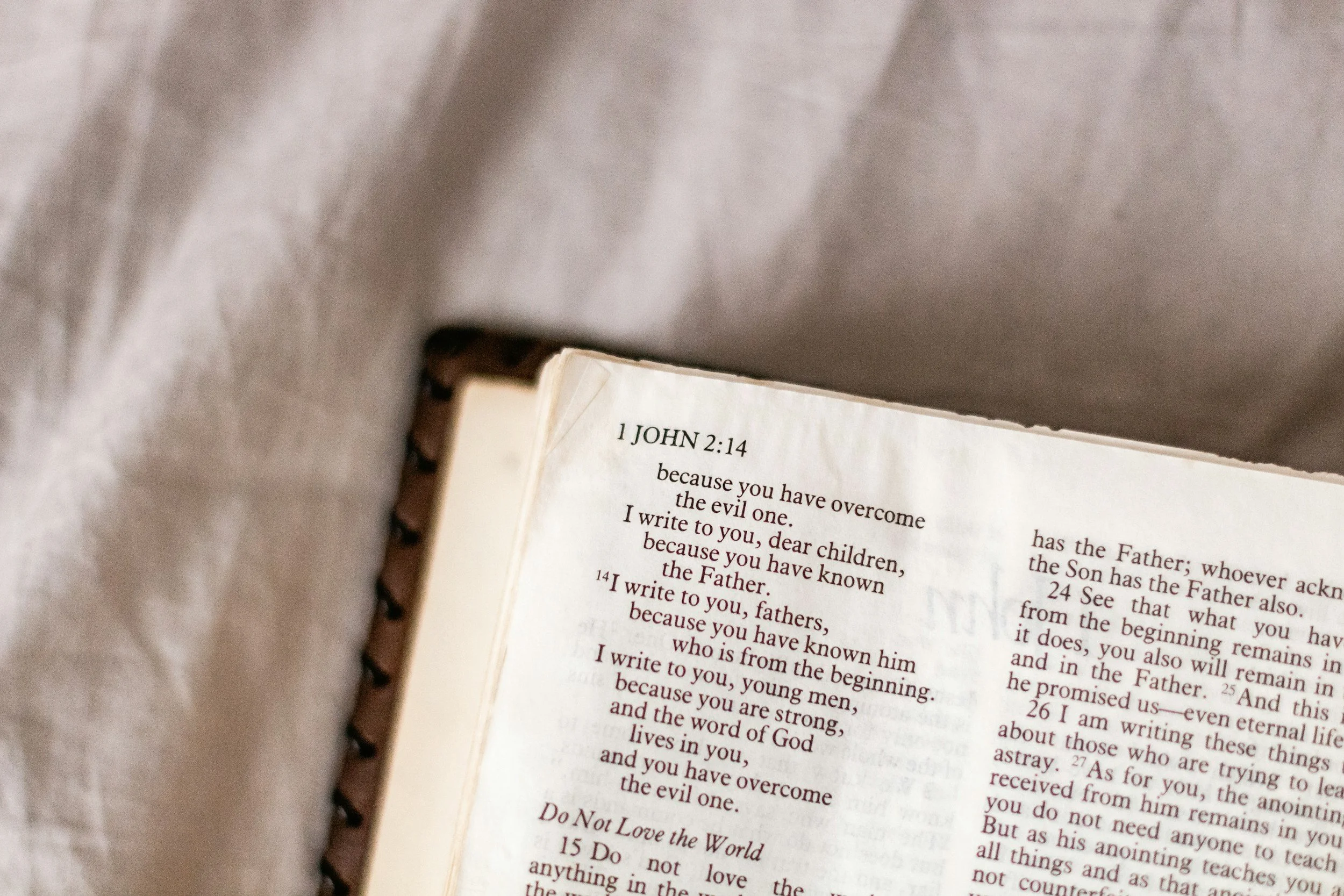
Learning to listen together
Throughout August, our Sunday mornings at Redcar Baptist Church are looking a little different as we journey through a five-week series exploring Lectio Divina.
Each week, we worship together, watch a teaching session and then spend time discussing and practising what we have learned around our tables. The sessions are helping us consider how we can grow in prayer, engage more deeply with the Bible and become more attentive to God’s voice.
The Lectio Course is a five-session series from 24-7 Prayer, led by Pete Greig and special guests. It introduces this time-tested practice in a simple and practical way through four movements:
1.) Read
We begin by reading a short passage of Scripture slowly, perhaps more than once. There is no need to rush. We pay attention to any word or phrase that seems to stand out.
What catches our attention? What draws us in? What might God be inviting us to notice?
2.) Meditate
We then spend time reflecting on what we have read. We allow the words to remain with us, turning them over gently in our minds and considering how they connect with our lives.
This is not about trying to force a meaning from the passage. It is about making room for the Holy Spirit to illuminate God’s Word and speak into our particular circumstances.
3.) Pray
As we listen, we respond to God in prayer. We may express gratitude, ask a question, confess something, seek guidance or simply share honestly what is in our hearts.
Lectio Divina reminds us that prayer is a conversation. God speaks through His Word, and we are invited to respond.
4.) Contemplate
Finally, we become still in God’s presence. We do not need to fill every moment with words or arrive at a dramatic conclusion. Sometimes the invitation is simply to rest, listen and enjoy being with God.
The four movements are a helpful guide rather than a rigid formula. Some days one part may feel especially significant; on others, the time may feel quiet and uneventful. The important thing is that we continue to make ourselves available to God.
More than understanding the words
Lectio Divina is not a replacement for studying the Bible. Careful study helps us understand a passage’s meaning, context and place within the wider story of Scripture. Lectio Divina complements this by encouraging us to prayerfully consider how God’s truth is shaping us here and now.
The Psalmist writes:
“Your word is a lamp for my feet,
a light on my path.”
— Psalm 119:105
God’s Word does not merely give us knowledge; it illuminates the path before us. As we slow down and listen, we may notice encouragement we had previously overlooked, recognise something that needs to change or receive renewed peace for the journey ahead.
We may not always experience an immediate answer or hear something striking. Often, God’s work within us is gradual and gentle. Over time, the practice of attentive reading can deepen our love for Scripture and help us become more aware of God’s presence—not only while we pray, but throughout everyday life.
Continuing the practice at home
If you would like some guidance as you begin, Lectio 365 is a free daily devotional app inspired by Lectio Divina. Its guided morning prayers follow a simple P.R.A.Y. rhythm:
Pause and become still.
Rejoice with a Psalm and reflect on Scripture.
Ask for God’s help.
Yield to His will.
The app also offers midday prayers shaped around the Lord’s Prayer and evening reflections based on the Examen. You can read or listen to the devotionals, making it a helpful way to create a regular rhythm of prayer wherever you are.
If you miss one of our August services, please do not feel that you have fallen behind. Each session can stand on its own, and all five teaching videos are available through The Lectio Course Archives.
Our hope is that this series will help us do more than understand the Bible more deeply. We pray that it will teach us to approach Scripture with expectant hearts, to recognise God’s voice more clearly and to respond faithfully to what He is saying.
Perhaps the best place to begin is with Samuel’s simple prayer:
“Speak, Lord, for your servant is listening.”
A prayer
Lord God,
thank You for the gift of Your Word.
In the midst of all the noise and busyness of life,
help us to slow down and listen.Open our minds to understand Your truth,
open our hearts to receive Your love
and give us courage to respond to what You reveal.As we read, reflect, pray and become still,
draw us closer to You and shape us to become more like Jesus.Speak, Lord. We are listening.
Amen.
